
Choosing furniture gets easier when you stop with the question, “What looks good?” and start with a more useful one: “How does this room actually need to work?”
The right furniture should make sense for the people who use the space, the way they use it, and the size and layout of the room. Comfort, scale, storage, configuration, materials, construction, and available customization all matter. That is also why seeing furniture in person can be so valuable before making a decision.
Start With How the Room Is Actually Used
Furniture should fit the way your household actually uses the room—not just how it looks in a photo. Before choosing a sofa, dining table, bed, desk, or outdoor set, think about who uses the space, how often they use it, what needs to fit, how people move through the room, and what matters most for comfort, storage, hosting, and everyday routines.
A family room used every evening may need something very different from a formal room used mainly when guests visit. A dining room for two people most nights may still need to handle larger family gatherings. A bedroom may need more storage, while an outdoor space may need to accommodate dining, relaxing, entertaining, or a combination of all three.
Starting with those real-life needs helps narrow the choices before style, color, or finish even enter the conversation.
Think About the Room Before the Furniture
Before shopping, write down three things: who uses the room, what they do there, and what currently does not work. Those answers can help identify whether you need more seating, a different configuration, better storage, more comfortable proportions, easier traffic flow, or furniture that can be customized more closely to the space.
Measure More Than the Empty Floor Space
Room dimensions are important, but they are only the beginning. Furniture has to work with doors, windows, walkways, tables, lighting, architectural features, and the other pieces already in the room.
Measure the area where the furniture will sit, but also consider how people will move around it. A sectional may technically fit inside the room while still making a walkway feel too tight. A dining table may fit comfortably until the chairs are pulled out. A large recliner or reclining sectional may need additional space when fully opened.
It is also worth checking doorways, hallways, stairs, elevators, and other access points before ordering larger pieces.
Comfort Is Personal, So Compare It in Person
Furniture dimensions can tell you a lot, but they cannot completely tell you how something feels. Two sofas with similar measurements can feel very different because of cushion firmness, seat depth, back angle, arm height, or overall proportions.
The same applies to dining chairs, accent chairs, recliners, mattresses, office seating, and outdoor furniture. Height, body type, posture, and personal preference all affect comfort.
That is one reason The Factory emphasizes the showroom experience. Customers can sit in furniture, compare multiple pieces, and get a much clearer sense of comfort and scale than they can from photos alone.
Choose the Right Scale, Not Just a Piece That Fits
There is a difference between furniture fitting inside a room and furniture feeling right inside a room.
Oversized furniture can overwhelm a smaller space, while furniture that is too small can feel disconnected in a large room. Scale also matters between pieces. A large sofa paired with very small tables may feel unbalanced, just as a dining table and chairs need proportions that work together.
When possible, compare furniture at full size before deciding. Seeing the actual height, depth, width, and visual weight can prevent surprises after the furniture reaches your home.
Think About Materials, Finishes, and Everyday Maintenance
Materials should make sense for both the look you want and the way the furniture will be used. Different wood species, finishes, fabrics, leathers, and other materials can vary in appearance, texture, character, and maintenance needs.
If you are considering wood furniture, look closely at the grain and natural variation instead of choosing from a small online swatch alone. If you are choosing upholstered furniture, compare the fabric or leather in person when possible and consider how the piece will be used.
The Factory offers a range of available wood, stain, fabric, leather, finish, and color choices across applicable furniture lines. You can explore more of those possibilities on the furniture color and finish options page.
For existing solid wood furniture, The Factory also has a Furniture Care Guide covering wood, finishes, cleaning, and maintenance.
Use Customization to Solve a Real Problem
Custom furniture is most useful when it solves something specific. Maybe a standard dining table is too long for the room. Maybe a sectional needs a different configuration. Maybe you want a particular wood and stain combination, a different fabric, or a piece based on a specific room requirement.
Depending on the furniture and manufacturer, available options can include size, configuration, wood, stain, finish, fabric, leather, color, and other specifications.
Instead of customizing just for the sake of making something different, start with the problem you are trying to solve. The showroom team can then help identify which available options make sense for that particular piece.
Look Beyond Appearance When Comparing Furniture
Style matters, but furniture also has to function. When comparing pieces, look at the details you will actually interact with over time.
Open the drawers. Sit in the chairs. Look underneath a table when appropriate. Compare how doors, slides, cushions, hardware, and moving parts feel. Look at how surfaces are finished and how the furniture responds when it is used.
The specific construction varies by product, but inspecting furniture in person can reveal differences that are difficult to understand from a product photo.
The Factory’s Furniture FAQs also answer questions about drawer construction, table slides, wood species, quartersawn lumber, customization, ordering, delivery, and other common topics.
Think About the Other Furniture Already in the Room
A new piece does not exist by itself. Consider how it will work with the furniture you already own and the other elements in the room.
That does not mean every wood tone, fabric, or finish needs to match perfectly. It means the proportions, colors, materials, and overall style should feel intentional when the room is viewed as a whole.
If you are furnishing several areas at once, make the largest or most important decisions first and use those choices to guide the pieces that follow.
Use the Website for Research and the Showroom for Comparison
Online research is useful for narrowing down categories, styles, sizes, materials, and product ideas. It can help you arrive at the showroom with a clearer sense of what might work.
But many of the differences that matter most in furniture—comfort, scale, finish, grain, construction, texture, and overall feel—can be easier to judge when you are standing next to the product, sitting in it, opening it, and comparing it with another option.
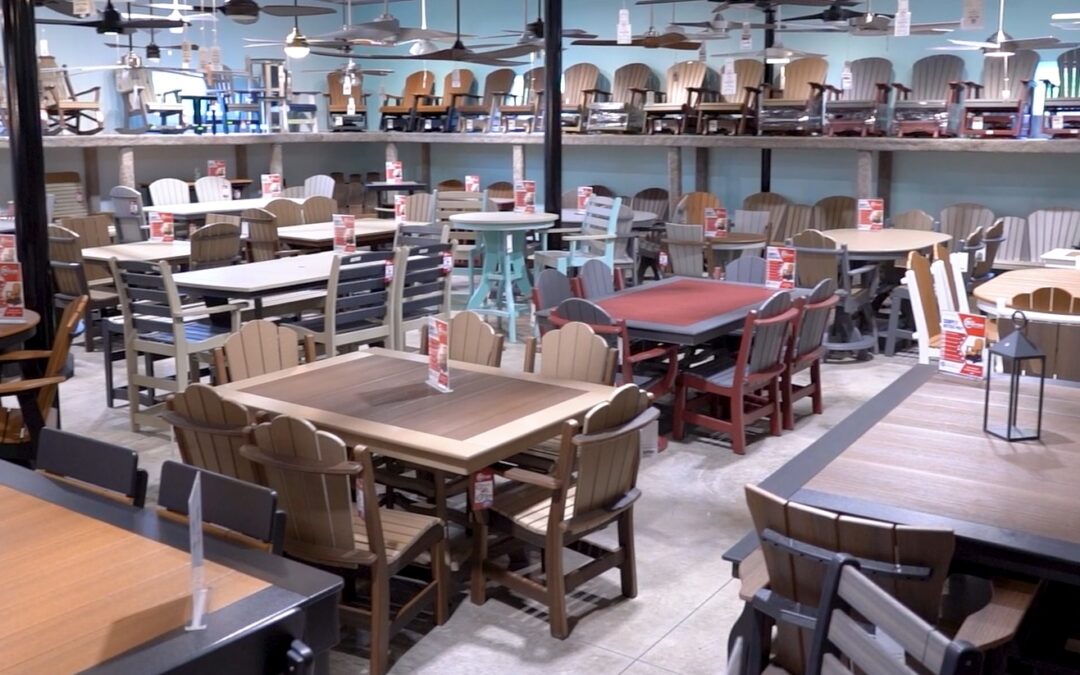
The Factory’s Wilkes-Barre and Dickson City showrooms give customers that opportunity. You can see furniture at full scale, compare comfort and finishes, inspect construction, and talk through available options before making a decision.
If you are still narrowing things down, use the website to research first, then visit one of The Factory’s showrooms to compare your strongest choices in person.
A Practical Furniture-Buying Checklist
Before making a final decision, ask:
- Does this piece fit the way we actually use the room?
- Have I measured the room, walkways, doors, and access points?
- Is it comfortable for the people who will use it most?
- Does the size feel right for the room—not merely fit inside it?
- Have I compared the available materials, woods, fabrics, or finishes?
- Are there customization options that would make the piece work better?
- Have I looked at the construction and functional details?
- Will the furniture work with the other pieces already in the room?
- Am I choosing around everyday use instead of appearance alone?
- Would seeing the final options side by side make the decision easier?
Common Furniture-Buying Questions
Should I choose furniture based on style or function first?
Start with function. Determine how the room needs to work, how many people use it, what size fits comfortably, and what features matter in everyday life. Once those needs are clear, you can narrow the choices by style, wood, finish, fabric, color, and other available options.
How do I know if a sofa or sectional is too large for my room?
Measure the available area and account for more than the furniture footprint. Consider walking space, doors, windows, tables, recliner movement where applicable, and how people will enter and leave the seating area. A piece can technically fit while still making the room feel crowded or difficult to use.
Why is furniture comfort difficult to judge online?
Dimensions can tell you seat height, width, or depth, but they cannot fully communicate cushion feel, back support, proportions, arm placement, or how a chair or sofa feels to a particular person. Sitting in multiple options makes those differences much easier to compare.
Can furniture be customized for my room?
Depending on the product, available choices may include size, configuration, wood, stain, finish, fabric, leather, color, or other specifications. Options vary by manufacturer and individual piece, so the showroom team can confirm what is available for the furniture you are considering.
What should I look at when comparing furniture quality?
Look beyond appearance. Depending on the piece, useful details can include materials, joinery, drawer function, stability, finish quality, comfort, hardware, and overall construction. Comparing actual pieces in person can make many of these differences easier to understand.
Do I need to know exactly what furniture I want before visiting the showroom?
No. It helps to know your room measurements and how you want the space to function, but you do not need to arrive with a specific product already chosen. You can compare different styles, sizes, materials, comfort levels, and available options in the showroom.
Make the Decision Around Your Home, Not Just the Furniture
The most useful starting point is not “Which sofa should I buy?” or “Which dining table looks best?” It is “What does this room need to do for the people who live here?”
Once you answer that, furniture shopping becomes much more focused. You can compare the right size, comfort, configuration, materials, finish, construction, and customization instead of sorting through options that were never a good fit in the first place.
The goal is not simply to find furniture that fills the room. It is to choose furniture that works with the room, supports everyday life, and feels right when you actually use it.
See and Compare Furniture in Person
Visit The Factory Lighting & Furniture in Wilkes-Barre or Dickson City to sit in furniture, compare comfort and scale, inspect materials and construction, and explore available options for your home.
